
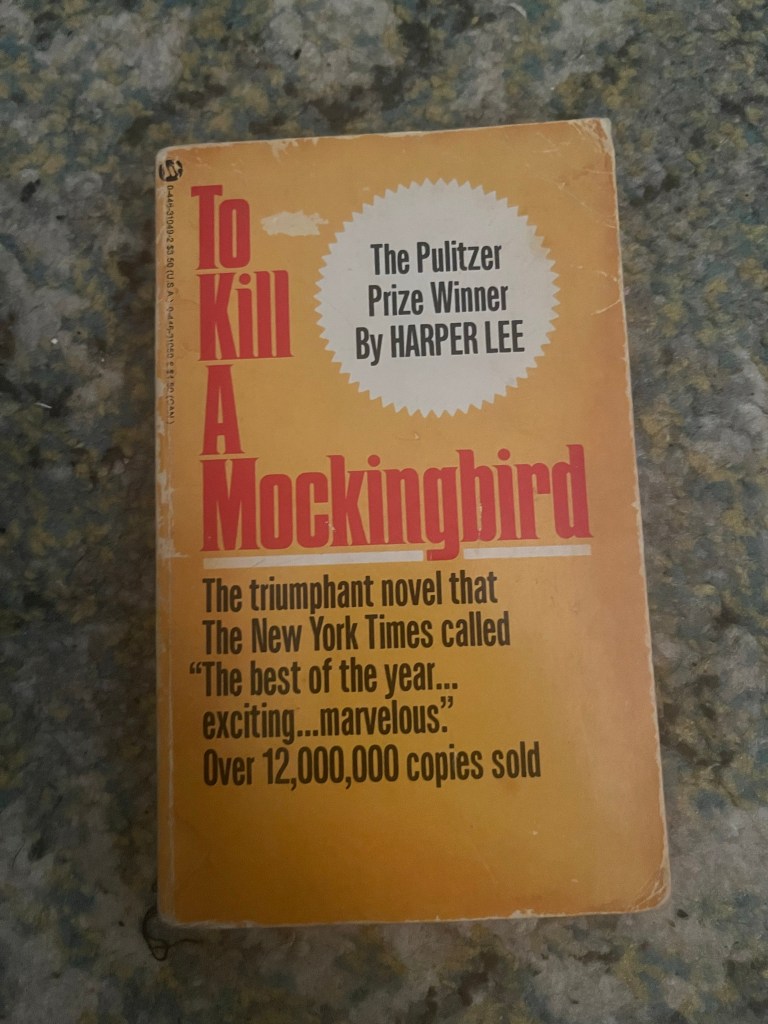
As you may have noticed, I can become rather obsessed and fixated on books I thoroughly enjoy (see my second post on A Clockwork Orange). So much so that I reread, purchase multiple copies, watch any films and in this case, even see a West End play!
My review below will contain teeny spoilers from the novel, theatre production and the second book “Go Set a Watchman”. I don’t usually like to do as I think the best cultural experiences are when you go in relatively open minded. Nonetheless, let’s begin with Harper Lee’s novel.
A rightful modern classic brimming with poignant themes of moral justice, class and race written in 1960. It is most definitely worth the hype due to her exploring topics which would have been taboo at the time including gender inequality, addiction and the concept of othering. Despite its heavy themes, the novel gained instant popularity which deservingly continues to this day.
The story is loosely based on her own experiences as a ten year old child in Alabama, much like her protagonist Scout Finch. A confident tom-boy dressed in overalls, extremely close to her older brother, Jem, we observe their tumultuous childhood in a small fabricated town of Maycomb, Alabama, over the course of three years. Almost feeling like a fly on the wall, readers observe how Scout, Jem and eventually their friend Dill, become exposed to the harshness of life through witnessing the lives of their vivid, complex neighbours and harsh impact of their father’s multifaceted rape trial case. Despite the abhorrent racial injustice, alcholism, drug abuse and murder, it is the character of Atticus Finch that reminds readers of morality in difficult situations. He is the epitome of goodness which many admire and aspire to be in the novel and in reality! The novel itself can be split in half; the first of which is the children’s fascination with the mystery of their infamous neighbour Boo Radley. The children re-enact his intriguing life story as they play and the other is the exceptional court case in which Atticus defends a black man on trial for raping a white young woman. It’s a read that tugs on your heartstrings whilst being unable to put down (I literally walked to work with book in hand!). I haven’t read anything so insightful, gripping and powerful in an exceedingly long time.
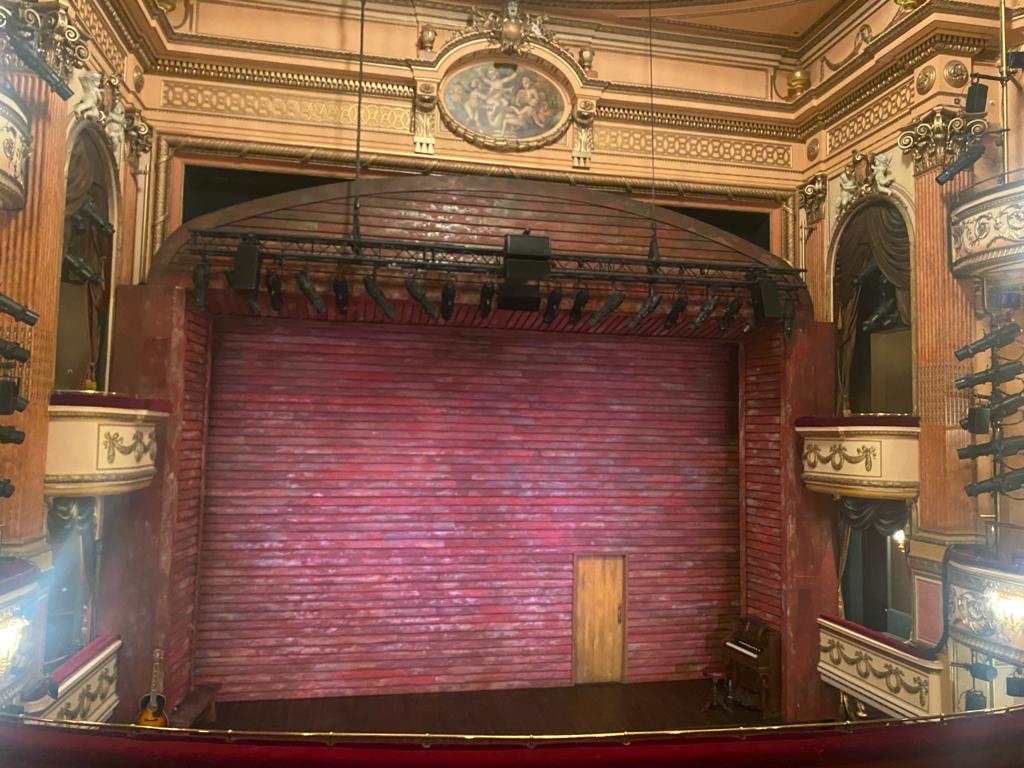
Having been unable to stop talking about how good the book is, my friend read it herself and then we ventured to the theatre! Thanks to Rush Tickets on ‘Todaystix’ the tickets were cheap and in such good seats. The stage itself was simple (as shown above), which became a mini Maycomb as actors brought on moveable sets based on the many locations in the novel. From the Finch household’s front porch, the impressive court case with racial segregation and their neighbour’s houses, each set helped to bring the book alive. We were initially taken aback by the change in narrative order, however they focussed on the ending, ‘How did Bob Ewell stab himself?” Then recreating the novel through flashbacks.
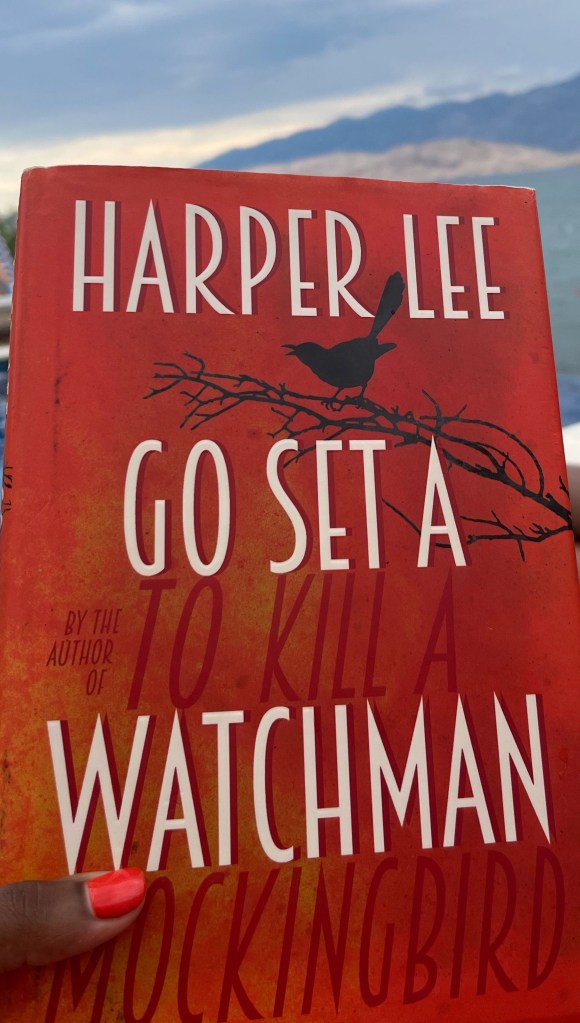
Despite by obsession with all things To Kill a Mockingbird, this sequel however was not welcome. I must admit I only read the first few chapters or so but there were too many changes, I refused to persevere. Number 1. Jem had died. Why on earth would she kill him off? Ok, fine it does make a nice plot twist to book readers since it’s set twenty years after the first. But since having a very close brother, I found this too heartbreaking. Number 2. Atticus is a racist. It’s absolutely absurd that he’d become a racist in his old age as it completely taints the themes in the original. Despite my opinions, there is a plethora of media controversies surrounding its release since it was published sixty years after the first, whereby critics believe Lee wasn’t in the right state to be agreeing to legal formalities that come with publishing. In addition, Go Set a Watchman was supposedly written before To Kill a Mockingbird and Lee’s publisher seemingly encouraged her to set the story through the eyes off child Scout. This can’t be the case as the second book is filled with references to the first. It’s got a lovely front cover, I’ll give it that! The concept of adult Scout returning to Maycomb with her mature perspective and the contention surround civil rights movement does make an intriguing plot. It’s unfortunate those changes make such an impact for me to continue. Let me know your thoughts if you persevered!
Whether you read the second book, watch the West End play (which ends in London this May 2023!) or most definitely read the novel, it will be worth it. Harper Lee’s novel is timeless and 100% worth the read.
 Amber Reads something